Association Events
Learn about NHADA's major events and fundraisers.


Can't find what you're looking for? Try one of NHADA's partners.

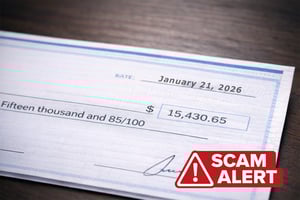
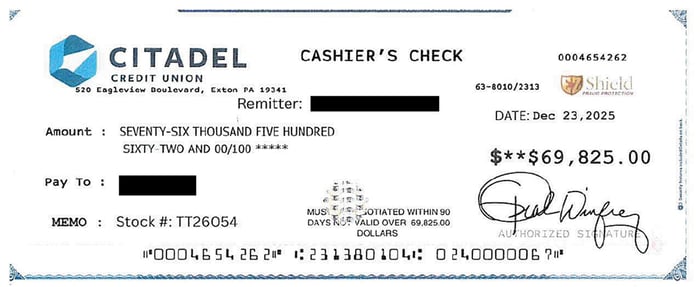
In this case, the check was brought in by an elderly gentleman who said he was “helping a friend from another state” purchase a new truck. He believed he was assisting someone he trusted, but he had actually been manipulated by a woman he met online. Sadly, these scams often target good people who think they’re doing the right thing.
What nearly slipped through: the numbers on the check didn’t match the amount written out in words. Staff didn’t catch the mismatch right away, and that’s exactly what scammers rely on—busy days, quick transactions, and assumptions that a check “looks legitimate.”
Here are a few red flags to keep on your radar:
Third-party buyers (someone purchasing “for a friend” or “for someone out of state”)
Urgency to finalize the deal and take delivery quickly
Unusual payment methods or inconsistent check details (numbers vs. written amount)
A customer who seems uncertain, coached, or overly focused on instructions from someone else
Verify check details carefully.
Delay delivery until payment fully clears (not just “pending”).
Confirm buyer identity and intent, especially on out-of-state or third-party purchases.
Train staff to pause and escalate anything that feels even slightly off.
If your dealership experiences something similar, document what you can and report it to local authorities, your financial institution, and email support@nhada.com.