Association Events
Learn about NHADA's major events and fundraisers.


Can't find what you're looking for? Try one of NHADA's partners.
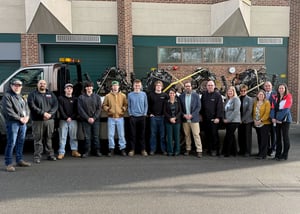
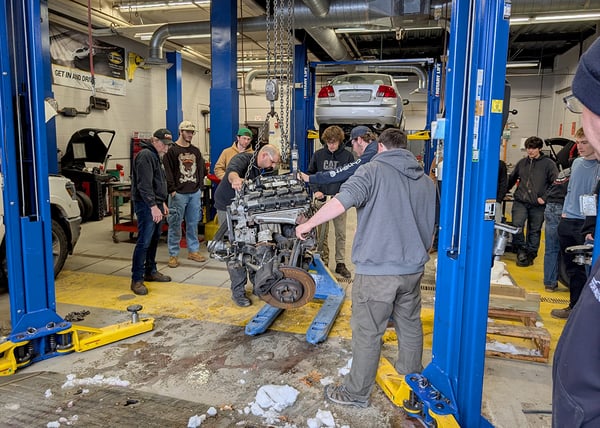
The donation also highlighted a positive shift within the Concord CRTC program. In previous years, students had been required to purchase a used engine, estimated at about $250, in order to participate in class. Under the leadership of a new instructor who started this year, the program worked to remove that financial barrier. By providing engines at no cost, the program aimed to create more equitable access and ensure that students interested in automotive education could participate regardless of their financial situation.
The event also drew attention from state leadership. In December, program leaders met with Caitlin Davis, who expressed strong interest in the engine donation initiative and attended the February 18 delivery. Robert L. Quinn and additional representatives from the Department of Safety were also invited to take part.
Because parking at the CRTC campus was limited, organizers coordinated attendance in advance to ensure enough spaces were reserved.
Overall, the event reflected a continued commitment to hands-on career education and to removing barriers that could prevent students from exploring skilled trades. By expanding access to real equipment and practical learning opportunities, the program invested in the next generation of automotive professionals.
Image Source: Kim Stevenson, Lakes Region Community College