Association Events
Learn about NHADA's major events and fundraisers.


Can't find what you're looking for? Try one of NHADA's partners.
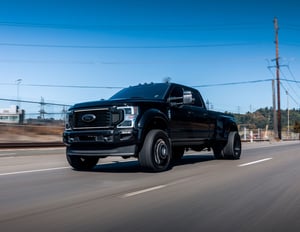
Is used in commerce (including transfers between dealership locations), and
If both conditions are met, federal CMV requirements apply, even for internal dealership transfers.
What Is Required for Compliance?
When CMV regulations apply, both driver and vehicle requirements must be met.
Driver Requirements
Vehicle Requirements
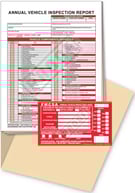
Fire extinguisher
Do You Need a USDOT Number?
If your dealership is operating CMVs in interstate commerce, a USDOT number is generally required.
Dealers have two options:
The best approach depends on how your operations are structured.
Note: Not all locations require a USDOT number. If a dealership does not transport vehicles over 10,000 pounds (and does not otherwise meet CMV thresholds), it may not be necessary.
Recordkeeping Considerations
Obtaining a USDOT number triggers federal recordkeeping requirements.
USDOT Number Display Requirements
Vehicles operating as CMVs must display:
Display options include:
All markings must be legible from at least 50 feet.
Do Drivers Need to Stop at Weigh Stations?
Yes.
Vehicles meeting CMV criteria (10,001+ lbs in commerce) are required to stop at open and operating inspection stations, including in New Hampshire.
Best Practice: Create a Vehicle Transfer Kit
To streamline compliance, consider preparing a standardized transfer kit for drivers.
Include:
This helps ensure required equipment and markings are always available during transfers.
New Entrant Status & Safety Audits
After obtaining a USDOT number, your business will be classified as a:
“New Entrant” for 18 months
During this period:
Proper preparation is key to successfully completing this process.
Training Is Strongly Recommended
CMV compliance extends beyond basic requirements. NHADA encourages dealerships to attend:
These programs provide guidance on recordkeeping, driver files, and audit readiness.
Key Takeaways
Need Help?
CMV requirements can be complex, especially for multi-location dealerships. NHADA is available to help members evaluate their operations and stay compliant.
Reach out to our team with questions or for guidance.