Association Events
Learn about NHADA's major events and fundraisers.


Can't find what you're looking for? Try one of NHADA's partners.
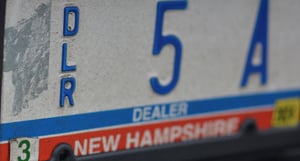
What Did NOT Change
The pause does not change safety obligations.
Vehicles operated on public roads, including those with dealer plates, must still comply with RSA 266 equipment standards, including:
Law enforcement can still stop and cite vehicles that fail to meet minimum equipment standards.
Operational Impact for Dealerships
Without inspection stickers serving as visible proof, dealerships must rely on internal processes to ensure compliance.
Best practice during the pause:
Conduct a thorough equipment check before affixing a dealer plate
Focus specifically on RSA 266 minimum standards
Document the review with:
Date
Vehicle identification
Examiner’s name
Confirmation equipment was reviewed and compliant
Why Documentation Matters
Operating a vehicle that does not meet standards can lead to:
Any deficiencies should be corrected before the vehicle is driven on public roads.
Bottom Line
The inspection pause changes how compliance is demonstrated, not the underlying responsibility. Dealerships that reinforce internal vehicle examinations, maintain strong documentation, and prioritize safety standards will be best positioned to operate confidently during this transitional period.