The Shift to Software-Driven Vehicles
Today’s vehicles are no longer static products. Features like heated seats, remote start, driver assistance systems, and even performance upgrades are often controlled by software—and in some cases, activated through subscription models.
At the same time, the growth of electric vehicles (EVs) is prompting new questions around classification, taxation, and regulatory structure.
Together, these shifts are redefining what it means to own—and regulate—a vehicle.
HB 1146: Subscription-Based Features and Consumer Transparency
HB 1146 focuses on a growing concern: subscription fees for features that are already built into a vehicle at the time of sale.
The bill aims to address scenarios where consumers purchase a vehicle with installed hardware, only to later discover that certain functions require an ongoing payment to activate or maintain.
The core issue is straightforward:
- If a feature is physically present in the vehicle, should it require an additional fee to use?
Supporters of the bill argue that consumers should not be charged multiple times for the same feature. They emphasize the need for clear, upfront disclosure and consistency in how features are marketed and sold.
At the same time, there is recognition that some features rely on:
- Ongoing connectivity
- Third-party integrations
- Continuous software updates
These distinctions matter—and have led to discussions about narrowing the bill’s scope to better differentiate between built-in functionality and service-based features.
HB 1410: A Separate Classification for Electric Vehicles
Alongside the conversation around software and subscriptions, HB 1410 introduces a different—but related—policy discussion: how electric vehicles should be classified within New Hampshire’s regulatory framework.
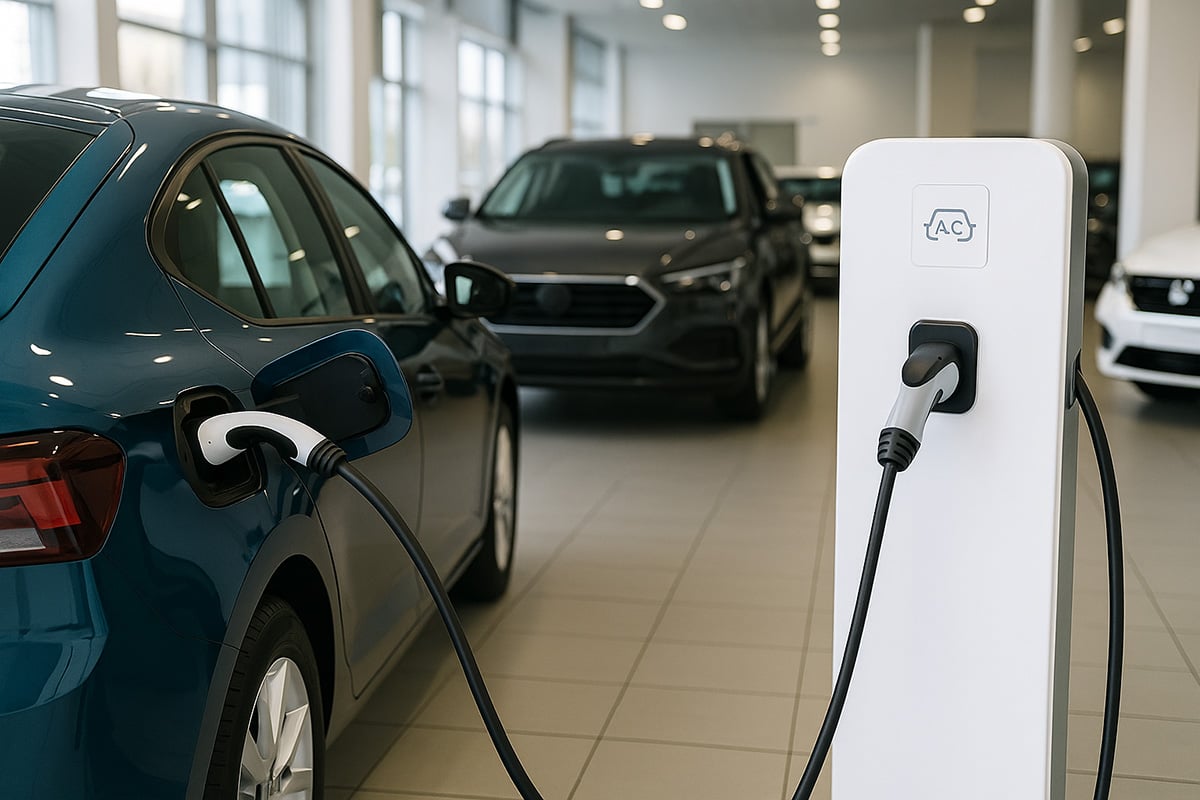
HB 1410 explores the creation of a distinct classification for EVs, recognizing that they differ from traditional internal combustion vehicles in several key ways, including:
- Power source and fueling infrastructure
- Maintenance profiles
- Long-term ownership costs
- Environmental considerations
Establishing a separate classification could influence areas such as:
- Registration structures
- Fee models
- Policy development specific to EV adoption
The goal is not simply to separate EVs from traditional vehicles, but to ensure that regulations accurately reflect the realities of how these vehicles are used and maintained.
Why This Matters for Consumers
Both HB 1146 and HB 1410 center on clarity and fairness.
For consumers, that means:
- Understanding exactly what is included in the purchase price of a vehicle
- Knowing whether features require ongoing costs
- Having confidence that policies reflect how their vehicle actually operates
As technology and vehicle types evolve, maintaining transparency at the point of sale—and consistency in ownership expectations—becomes increasingly important.
The Impact on Dealers
Dealers remain the primary point of contact for consumers, but they often do not control:
- Manufacturer pricing structures for software-enabled features
- Subscription models tied to vehicle functionality
- Broader regulatory classifications, including those affecting EVs
With HB 1146, dealers could face increased responsibility to explain feature availability and pricing—without having direct control over those systems.
With HB 1410, a new EV classification could introduce:
- Changes to how vehicles are registered or presented
- Additional questions from consumers navigating evolving policies
In both cases, the risk is the same: placing additional complexity at the dealership level without clear alignment across manufacturers and regulators.
Striking the Right Balance
These proposals reflect a broader challenge facing the industry.
On one side:
- Technology is enabling new features, services, and innovation
- EV adoption is reshaping the market and regulatory landscape
On the other:
- Consumers expect transparency and consistency
- Dealers need clear, workable policies that align with real-world operations
The path forward requires a balanced approach that:
- Protects consumers from unclear or duplicative costs
- Supports innovation in both software and vehicle development
- Recognizes the role of dealers as intermediaries—not decision-makers—in many of these systems
NHADA’s Perspective
For NHADA, these issues come down to thoughtful, practical policy.
Technology should enhance the ownership experience—not create confusion. EV policy should reflect real-world differences—without adding unnecessary complexity. And consumer protections should be clear, consistent, and enforceable.
As HB 1146 and HB 1410 continue to evolve, NHADA remains engaged in advocating for:
- Transparent, upfront communication at the point of sale
- Policies that reflect how vehicles are built, sold, and supported
- A regulatory framework that supports both consumers and the businesses that serve them
Looking Ahead
The conversations around HB 1146 and HB 1410 are part of a larger shift in the automotive industry.
How we define ownership, how we classify vehicles, and how we communicate value to consumers are all being reexamined in real time.
NHADA will continue to monitor these developments and keep members informed as these proposals move through the legislative process.